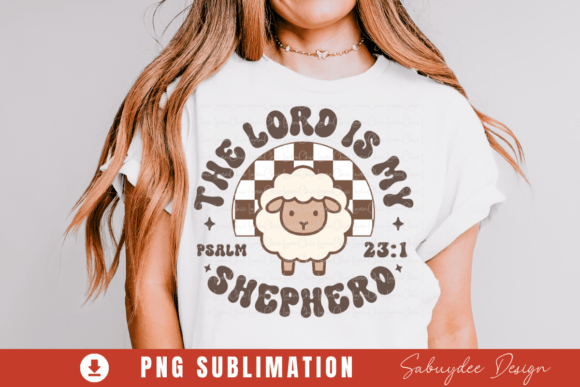
The Lord is My Shepherd Psalm Christian
A Quiet Strength That Stitches Well
When I first opened The Lord is My Shepherd Psalm Christian, I didn’t see a “design”—I saw intention. It’s not flashy or trend-driven; it’s grounded, reverent, and visually balanced—like a well-worn hymnal page translated into thread. The layout leans gentle but deliberate: soft curves in the lettering, subtle spacing between lines of scripture, and a modest floral or shepherd motif (often integrated with quiet grace, not dominance). This isn’t embroidery shouting for attention—it’s whispering meaning. That matters deeply when you’re stitching for real people: a new parent choosing nursery decor, a boutique owner curating faith-based gifts, or an Etsy seller building trust through thoughtful handmade product.
Where It Lives Best—And Why
I recently used The Lord is My Shepherd Psalm Christian on a natural linen tote bag for a local church fair. No frills—just clean fabric, quality stabilizer, and careful hooping. The result? Calm clarity. The script remained legible at 4.5", the small decorative elements held shape without puffing or bleeding, and the overall density felt substantial but breathable—not stiff or plasticky. That’s the sweet spot: textured yet stable fabrics like medium-weight cotton canvas, brushed twill, or midweight linen blends. It shines on sweatshirt embroidery where warmth and reverence pair naturally, and works beautifully on pillow covers and tea towels where softness and message coexist.
It also translates well to baby embroidery—think onesies or burp cloths—when scaled down thoughtfully. At 3", the lettering stays readable if your machine handles fine satin stitch reliably. And yes, it’s a strong candidate for embroidered patch production: clean outer edges, no micro-details that vanish at 2", and a shape that reads clearly even when sewn onto denim jackets or backpacks.
Where to Pause—and Test First
This design asks for respect, not just speed. On thin or highly stretchy fabric—like lightweight jersey tees or ribbed knit caps—The Lord is My Shepherd Psalm Christian can blur at the edges if stabilizer isn’t layered precisely. I learned that the hard way on a custom crewneck: too-light cutaway + high stitch density = slight puckering around the verse’s final clause. Not ruinous—but noticeable enough to re-hoop and re-stabilize.
Dark fabric demands extra attention too. That delicate script relies on contrast. I recommend testing thread colors across multiple blacks, navies, and charcoals—not just one swatch. And if you’re planning holiday embroidery (think velvet stockings or wool-blend blankets), confirm how the fill stitch behaves under dense backing. Some versions of this design use heavier fill areas near the motif base; on plush surfaces, that can lift or distort unless you reduce density slightly or switch to a lighter underlay.
Also worth noting: tiny flourishes—like vine tendrils or dot accents—can disappear on curved surfaces (e.g., structured baseball caps) or when stitched with low-thread-count polyester. Always run a test on scrap *with the exact hoop size and fabric combo* you’ll use for the finished product.
What It Adds—Beyond the Thread
The Lord is My Shepherd Psalm Christian elevates perceived value without overcomplicating execution. Customers recognize sincerity in restraint—especially in faith-based custom apparel. A well-stitched version on a premium tote signals care, not cliché. For craft business owners, it strengthens brand consistency: imagine pairing it with simple cross motifs or muted olive/gold thread palettes across your Etsy listings. It invites engagement—not just purchase—because people want to *share* what it represents.
As a digital embroidery file, it supports strong printable mockups. Its balanced proportions scale cleanly from 3" to 6", so you can show variations across t-shirt designs, aprons, and kitchen towels without awkward cropping. That flexibility matters when you’re building a cohesive small shop product line—or prepping for a craft fair where visual harmony builds trust fast.
Designer Notes You’ll Actually Use
- Always test on scrap fabric first—especially with textured or dark materials. Stitch density and thread tension interact differently than on plain white cotton.
- Review small details at actual size. Zoom in on your embroidery software: do the serifs hold? Does the motif line stay crisp? If not, adjust underlay or reduce density before hooping.
- Check thread color contrast on both light and dark backgrounds. Ivory thread on oatmeal linen? Yes. Same thread on charcoal? Might need charcoal-gray instead.
- Confirm hoop size compatibility. Some versions fit comfortably in a 4"x4", others push 5"x7". Don’t assume—measure the design boundaries in your software.
- Use appropriate stabilizer: medium tear-away for stable wovens, cutaway for knits, and optional topping for fuzzy fabrics like fleece or terry cloth.
- Test black-and-white mockups before finalizing listings. Faith-based buyers often scan for tone and legibility first—not just color.
- Verify licensing before selling finished items or reselling the digital embroidery file. Even heartfelt designs come with usage boundaries.
Final Thought: It’s Not Just a T-Shirt Design
The Lord is My Shepherd Psalm Christian doesn’t try to be everything. It’s not built for neon hoodies or micro-embroidered socks. But within its quiet lane—custom apparel with soul, personalized gifts that land gently, small shop merchandise rooted in meaning—it delivers with consistency and dignity. Whether you’re stitching a baptismal blanket, branding a faith-centered boutique, or preparing a heartfelt holiday embroidery gift, this design earns its place by behaving well under needle and resonating long after the hoop comes off. That’s the mark of a truly usable embroidery file—not viral appeal, but quiet reliability, stitch after thoughtful stitch.